
About This Course
The environment is a major focus of teaching within the School and Geography is central to this. Furthermore, we have been teaching forestry at Bangor for more than 110 years, and there has never been a more exciting time to enter the profession. This degree combines developing an understanding of the physical processes that shape the world with understanding relationship between humankind and the environment and how sustainable management of environmental resources can benefit society. The world’s forests, vital to the global ecosystem and covering 30% of the world’s land area, are key to this.
On this course students develop knowledge and transferable skills across traditional subject boundaries and will be prepared for the challenge of managing forests for the many benefits they provide, at a time of global environmental change. Our courses place an emphasis on field visits and fieldwork as well as opportunities to enhance employability through professional placements and skills.
Click here for more information about our activities and expertise in the field of Forestry.
Why choose Bangor University for this course?
- Top five for Agriculture and Forestry (Complete University Guide League Table 2021).
- Ranked 7th in the UK for research quality (Agriculture and Forestry - The Complete University Guide 2021).
- The dramatic coastline and rugged mountains of north Wales, combined with the facilities of a modern University department, make Bangor an excellent place to study Geography.
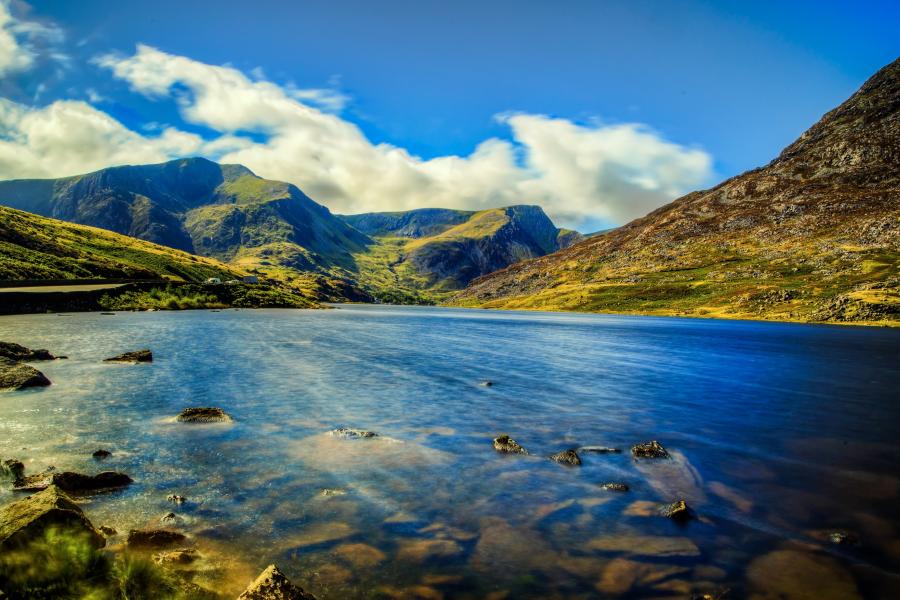
- These courses take full advantage of our superb location including, the coast and mountains of north Wales, designated landscapes, rich cultural and industrial heritage of the area, and our proximity to the Snowdonia National Park. With all this on the doorstep, you won’t have to travel far for fieldwork!
- We were the first university to offer a Forestry degree, and we are now the first to offer an MFor degree.
- We have excellent links with forestry organisations in the UK and overseas, and these are used in our teaching programmes.
- We have a comprehensive library collection in Bangor, a forestry experimental area nearby, and are within easy travelling distance of public and privately-owned forests.
- The University owns 82 ha of woodland, many of them seminatural, which are used for teaching.
- We run week-long field courses in the first, second and final years of the degree.
- We have an experienced group of staff, with new appointments in forestry and a number of related disciplines, and excellent interaction with local professional foresters.
- There are opportunities for studying abroad (usually in Canada or Finland) during the second year. If you opt for the four-year programme you will spend a year working in the forestry profession, gaining relevant experience and increasing your employability.
Course Content
We use a wide variety of teaching methods ranging from lectures, laboratory practicals and fieldwork to seminars and tutorials. Seminars and tutorials concentrate on problem solving, study skills development and reinforcing material taught in lectures. Courses are assessed using a variety of methods with an average split of 60% coursework and 40% examination. The University’s ‘Blackboard’ virtual learning environment, provides direct access to learning resources, course documents and lecture notes.
What will you study on this course?
Our degrees are modular and you will study 120 credits worth of modules in each year. Although some modules are, by necessity, compulsory, others can be chosen from a suite of optional modules allowing students to expand their studies into new areas or to develop specialisms that are of particular interest to them. Fieldwork is an integral part of the course with dedicated field study modules in each year in addition to field visits associated with subject modules. Students on the 4 year programme undertake a placement year in their third year allowing them to develop professional skills, work experience and to network with potential employers.
Year 1 and Year 2
The first year focuses on key basic knowledge within the subjects of geography and forestry and helps students to develop their study and research skills.
The aim of the second year is to deepen your subject knowledge and widen your skills base. Modules cover key areas in geography and forestry and investigate major debates and issues within the subjects.
Final Year
In the final year students complete their Honours Project; a piece of independent research designed and carried out by students (supervised by a member of staff). This is an opportunity to study in detail, a topic that particularly interests you. The third year study tour to Europe is seen by many students as a highlight of their course. Students also have the option to integrate the knowledge that they have acquired in the first two years to write a forest management plan for a local forest area.
Careers
Geography and forestry graduates are highly employable and are in demand due to the transferable skills and subject knowledge they develop during their studies. You will graduate with a widely-respected degree that opens up career possibilities in public, private and non-governmental organisations both in the UK and overseas.
EXPLORE MORE IN ENVIRONMENTAL SCIENCE
Bangor is a great location for studying and researching environmental issues as we are minutes away from a huge diversity of landscapes and environments. You will benefit from first-hand interaction with staff that are at the forefront of their field.


My name is Kavisha Prince Anthony, and I always had a dream of studying abroad. Thankfully, that dream came to life since I applied to the Study Advisor. I was able to receive my visa within four days. I also had some visa refusals in the past; I had about six UK visa refusals in the past, but thankfully, it was not an issue since the Study Advisor was able to make things work this time. I highly recommend Study Advisor for your dreams of going abroad, whether it be the UK or any other European country there is.