
About This Course
On this unique course you will study marine organisms, their habitats and the food web supporting the top predators, including marine mammals, fishes, seabirds, and reptiles. This degree explores the general principles of biology, marine biology and marine science, along with the taxonomy, physiology, behaviour and ecology of marine vertebrates. You will learn about applied aspects of zoology such as fisheries, aquaculture, conservation biology and ecotourism. Throughout this degree we take full advantage of our location, placing a strong emphasis on fieldwork including sea going experience. In the third year, you will learn about shark ecology as well as marine mammal ecology, identification and survey methods, which will involve ship and/or land-based fieldwork.
Why choose Bangor University for this course?
- Our unique location provides easy access to fieldwork around the Anglesey coastline and Snowdonia National Park.
- The Anglesey coast offers excellent opportunities to study seabirds, seals and dolphins.
- Facilities include a research ship, tropical and temperate marine aquaria, and a Zoology Museum.
- Study on an Island on the edge of the Menai Strait, a beautiful stretch of tidal water separating the Island of Anglesey, from the mainland.
- Your lecturers undertake research across the planet, from tropical coral reefs to the frozen polar seas.
Course Content
This course involves up to 25-35 hours per week of lectures, practicals in the laboratory and the field, private study, tutorials and project work. During the first two years, lectures and practicals are supplemented by regular small group (about 8 students) tutorials during which we develop your critical appraisal and science communication skills. In the third year, you will carry out an individually supervised dissertation on a topic of your choice. Assessment is through a combination of continuous assessment and formal exam.
Facilities
- We have a £3.5m ocean-going research ship and three smaller inshore vessels.
- Our excellent facilities include tropical marine and temperate marine aquaria, analytical laboratories, flow and particle transport simulators and computing capabilities.
- We have unrivalled local access to the ocean and numerous intertidal habitats for undertaking experimental work, including rocky shores, sandy shores and saltmarshes. We have numerous seabirc colonies around the coast of Anglesey a well as an abundance of marine mamals including bottle nose dolphins, harbour porpoise Risso’s dolphins, grey seals and other off shore species.
- The Snowdonia mountains are also on our doorstep, providing a range of terrestrial habitat types to study.
General University Facilities
Library and Archive Services
Our four libraries provide a range of attractive study environments including collaborative work areas, meeting rooms and silent study spaces.
We have an extensive collection of books and journals and many of the journals are available online in full-text format.
We house one of the largest university-based archives not only in Wales, but also the UK. Allied to the Archives is the Special Collections of rare printed books.
Learning Resources
There is a range of learning resources available, supported by experienced staff, to help you in your studies.
The University’s IT Services provides computing, media and reprographics facilities and services including:
- Over 1,150 computers for students, with some PC rooms open 24 hours a day
- Blackboard, a commercial Virtual Learning Environment, that makes learning materials available on-line.
Careers
This course is the ideal preparation for careers in research, marine resource management, conservation, environmental impact assessment, fisheries, coastal authorities, government advisory bodies, the scientific media, ecotourism and other leisure industries and pressure groups.
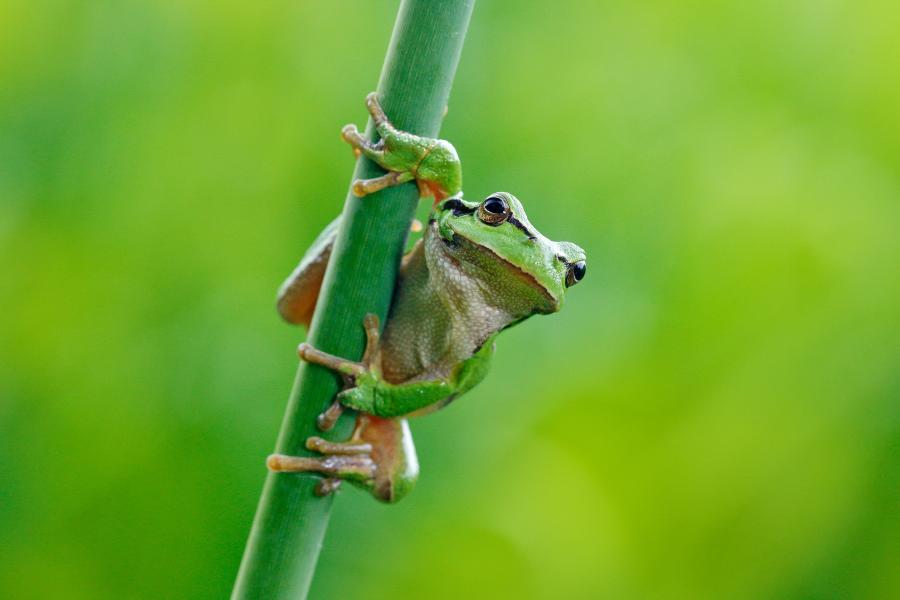
EXPLORE MORE IN ZOOLOGY
Zoology encompasses animal behaviour, animal physiology, evolution, the interactions between animals and the environment and wildlife conservation. Nestled between the mountains and the sea, Bangor University is the obvious choice for anyone wanting to study Zoology as our location presents the best natural laboratory in the UK.
International Experience Year
This course is available with an International Experience Year option where you will study for 1 additional year.
Studying abroad is a great opportunity to study with specialists, see a different way of life and broaden your horizons. With international experience of this kind, you’ll really improve your career prospects. If you plan to study in a country where English is not spoken natively, there may be additional language support available for you.
There are a wide variety of destinations to choose from and when you graduate you will have ‘with International Experience’ added to your degree title.
You can find out more about the International Experience Year programme on the Student Exchanges section of our website.
You will have the opportunity to fully consider this option when you have started your course at Bangor and can make an application for a transfer onto this pathway at the appropriate time. If you have any questions in the meantime, please get in touch.


My name is Kavisha Prince Anthony, and I always had a dream of studying abroad. Thankfully, that dream came to life since I applied to the Study Advisor. I was able to receive my visa within four days. I also had some visa refusals in the past; I had about six UK visa refusals in the past, but thankfully, it was not an issue since the Study Advisor was able to make things work this time. I highly recommend Study Advisor for your dreams of going abroad, whether it be the UK or any other European country there is.